Upholstery Cleaning in Your Home: Fresh, Healthy, and Long-Lasting Furniture Care
Upholstery cleaning is one of the most effective ways to refresh your living space, protect your furniture, and improve indoor comfort. Whether you own a busy family sofa, a favorite armchair, dining chairs, or an office seating area, regular upholstery cleaning helps preserve the look and feel of your furnishings while supporting a cleaner environment. Many people search for upholstery cleaning when stains appear, odors linger, or fabrics start to look dull, but the benefits go far beyond appearances.
Modern upholstery cleaning services are designed to handle different materials, from microfiber and cotton blends to wool, velvet, and synthetic fabrics. The right cleaning approach removes dirt, dust, allergens, and trapped debris without damaging the textile fibers. With professional upholstery cleaning, furniture can last longer, smell fresher, and look more inviting. If you want a healthier home and a better return on your furniture investment, upholstery cleaning should be part of your regular care routine.
In this article, we’ll explore how upholstery cleaning works, why it matters, common cleaning methods, stain removal tips, maintenance advice, and how to choose the best upholstery cleaning approach for your needs. If your sofas or chairs have lost their original charm, book your service now and enjoy a cleaner, more comfortable space.
Why Upholstery Cleaning Matters for Every Home
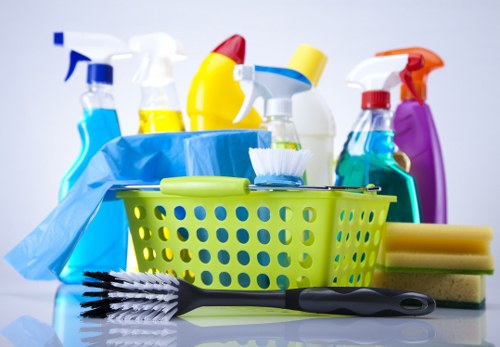
Furniture is used daily, which means it naturally collects dust, body oils, pet hair, food particles, and airborne pollutants. Over time, these contaminants sink into the fabric and padding, making upholstery cleaning essential for both hygiene and appearance. Even if a sofa looks clean on the surface, hidden buildup can affect air quality and create an environment where allergens thrive.
Another important reason for upholstery cleaning is fabric preservation. Dirt and grit act like tiny abrasives, wearing down fibers each time someone sits down or shifts position. This gradual damage can shorten the lifespan of your furniture. Regular upholstery cleaning removes those particles before they cause permanent wear, helping your sofas and chairs stay in better condition for longer.
There is also a major aesthetic benefit. Clean upholstery makes a room feel more polished, welcoming, and well cared for. Stains, discoloration, and odors can make even a beautifully designed space feel neglected. By investing in upholstery cleaning, you can restore color, texture, and freshness in a way that instantly improves the whole room.
Understanding the Upholstery Cleaning Process

Professional upholstery cleaning usually begins with a careful inspection. The cleaner identifies the fabric type, checks the manufacturer’s care label, and notes any problem areas such as stains, burns, fading, or tears. This step is critical because different fabrics react differently to water, heat, and chemicals. A smart upholstery cleaning plan always starts with the material itself.
Next comes vacuuming. This may seem simple, but it is one of the most important parts of upholstery cleaning because it removes loose dirt, crumbs, pet hair, and dust from the surface and crevices. Crews often use specialized attachments to reach seams, tufts, and corners where debris tends to hide. A thorough vacuuming stage improves the effectiveness of the rest of the process.
After vacuuming, the cleaner applies the proper cleaning solution or treatment method. Depending on the fabric and condition, upholstery cleaning may involve low-moisture extraction, dry cleaning compounds, steam-assisted treatment, or gentle foam application. The goal is to break down grime while protecting the fabric. Once cleaning is complete, the upholstery is often groomed and left to dry with proper airflow.
Common Upholstery Fabrics and Their Cleaning Needs
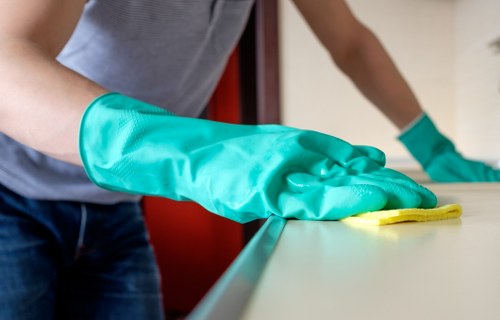
Not every fabric responds the same way to upholstery cleaning. Understanding your furniture’s material helps you choose the safest and most effective method. Microfiber, for example, is known for its durability and stain resistance, but it still needs routine upholstery cleaning to remove embedded dust and oils. It usually handles gentle solutions well, though over-wetting should be avoided.
Cotton and cotton-blend fabrics are popular for their comfort and natural appearance, but they can be more absorbent than synthetic materials. That means spills can set quickly, making prompt upholstery cleaning especially important. Cotton may require careful spot treatment and controlled moisture to prevent shrinkage or water marks.
Velvet, linen, wool, leather, and polyester each demand a different approach. Leather, for instance, is not cleaned the same way as fabric upholstery; it often needs conditioning after cleaning to prevent cracking. Wool and velvet can be sensitive to harsh chemicals, so professional upholstery cleaning is often the safest choice. Always check care labels and fabric codes before starting any treatment.
Top Signs You Need Upholstery Cleaning
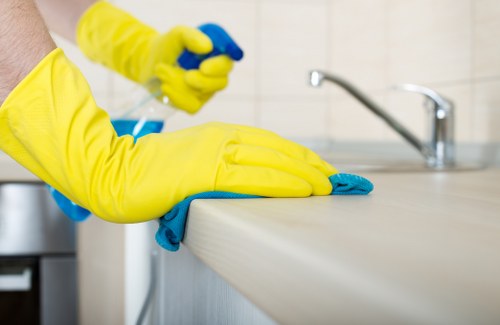
One of the clearest signs that you need upholstery cleaning is visible staining. Beverage spills, food marks, pet accidents, and general discoloration can all leave furniture looking tired. Even small stains can become harder to remove over time, so early upholstery cleaning is usually more successful than waiting.
Odors are another warning sign. Sofas and chairs absorb smells from pets, cooking, smoke, and daily use. If your furniture has a lingering odor even after you tidy the room, the fabric may need a deeper upholstery cleaning. Removing the source of the smell can make a major difference in how fresh your home feels.
Texture changes are also important. If your upholstery feels sticky, rough, or flattened, it may have a buildup of dirt or oils. Allergy flare-ups, visible dust when sunlight hits the furniture, or an overall dull appearance are all strong reasons to schedule upholstery cleaning. Contact us today to restore comfort and freshness to your upholstered furniture.
Popular Methods Used in Upholstery Cleaning
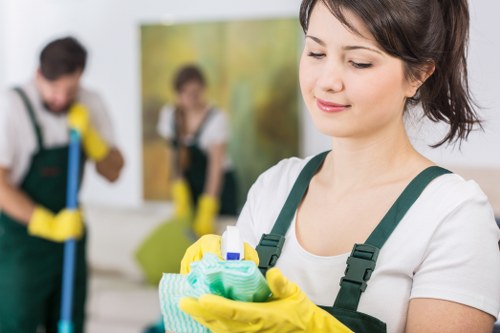
There are several effective methods used in upholstery cleaning, and the best one depends on the type of fabric, the extent of soiling, and the desired drying time. Hot water extraction is a common option for durable fabrics. It uses heated water and cleaning solution to loosen grime, which is then removed by suction. This method can deliver excellent results when performed correctly.
Dry cleaning is often preferred for delicate fabrics that cannot handle much moisture. In this form of upholstery cleaning, a specialized compound or solvent is applied to lift dirt without saturating the material. It is useful for materials that may shrink, bleed, or warp with water-based methods. Because each fabric differs, dry cleaning can be a smart way to protect sensitive upholstery.
Low-moisture foam cleaning, bonnet cleaning, and encapsulation are also used in upholstery cleaning. These methods are valued for quick drying and reduced risk of over-wetting. For homes with children, pets, or frequent use, low-moisture options can be practical because they minimize downtime while still improving the look and feel of the furniture.
Benefits of Professional Upholstery Cleaning
Professional upholstery cleaning offers more than surface-level improvement. Trained technicians know how to evaluate fabrics, select appropriate solutions, and treat stains without causing damage. Their experience helps reduce the risk of color loss, water rings, or fabric distortion. In many cases, professional upholstery cleaning can restore furniture in ways that DIY methods simply cannot match.
Another major benefit is stain management. Professionals often have access to advanced solutions and equipment designed to break down stubborn spots more effectively. Whether the problem is wine, ink, grease, or pet-related staining, professional upholstery cleaning can improve the appearance of furniture while maintaining fabric integrity. The right treatment can make a dramatic visual difference.
Health is also part of the equation. Upholstery can trap allergens like pollen, dust mites, and pet dander. Deep upholstery cleaning helps reduce those irritants, which can be especially valuable for households with allergy sensitivities. Cleaner furniture supports a cleaner living space, and that contributes to a more comfortable everyday environment.
DIY Upholstery Cleaning: What You Can Do at Home
Many homeowners like to handle light upholstery cleaning themselves, and there are several safe steps you can take between professional appointments. Start by vacuuming furniture regularly using a soft brush attachment. This removes loose debris and prevents buildup in seams and creases. Routine vacuuming is one of the simplest ways to extend the life of your upholstery.
Spot cleaning can also be effective when done carefully. Before applying any solution, test it in an inconspicuous area. Use a clean white cloth to blot the spill rather than rubbing, since rubbing can spread the stain and push it deeper into the fabric. A mild soap solution or fabric-safe cleaner may help with small marks, but always follow the care label instructions.
Good airflow matters too. After any DIY upholstery cleaning, make sure the furniture dries completely. Open windows, use fans, and avoid sitting on the upholstery until it is fully dry. Excess moisture can lead to odors, fabric damage, or mildew. If a stain is large, old, or unknown, professional upholstery cleaning is usually the safer option.
Upholstery Cleaning Mistakes to Avoid
One of the most common mistakes is using too much water. Over-wetting upholstery can cause long drying times, fabric distortion, and even internal padding problems. Proper upholstery cleaning uses controlled moisture, especially on delicate textiles. More water does not mean better results; in fact, it can create new issues.
Another mistake is using the wrong cleaner. Some household products contain harsh ingredients that may fade, stain, or weaken fabric. Bleach, strong solvents, and abrasive powders can do more harm than good. Effective upholstery cleaning relies on solutions that are matched to the material and soil level.
Scrubbing aggressively is also a problem. When people rub stains with force, they may damage the weave or spread the contamination. Upholstery cleaning should be gentle and strategic. Blotting, controlled application, and proper extraction are usually far better than harsh physical action.
How Often Should Upholstery Be Cleaned?
The ideal upholstery cleaning schedule depends on how much the furniture is used and where it is located. In a busy family living room, upholstery may need attention more often than in a guest room. As a general rule, vacuuming should happen weekly or biweekly, while deeper upholstery cleaning can be done every 12 to 24 months for average use.
If you have pets, young children, or allergy concerns, you may benefit from more frequent upholstery cleaning. High-traffic furniture collects dirt quickly, and regular care helps keep it looking presentable. Dining chairs, office seating, and heavily used couches often need a more active maintenance routine than decorative pieces.
Spills should always be treated immediately. Prompt spot treatment can prevent stains from setting and reduce the need for intensive upholstery cleaning later. The sooner you act, the better the outcome is likely to be.
Upholstery Cleaning for Pet Owners
Pets bring joy, but they also bring fur, odors, and occasional messes. Upholstery cleaning is especially important for pet-friendly homes because fur and dander easily collect in fabric fibers. A regular vacuuming schedule can help, but deeper cleaning is often needed to remove odor-causing residue and embedded hair.
Pet accidents require fast action. Blotting up the liquid, using a fabric-safe cleaner, and allowing proper drying are all key steps. However, some stains contain proteins or dyes that may require professional upholstery cleaning to remove safely. The sooner a pet stain is addressed, the better the chance of avoiding permanent damage.
For pet owners, choosing furniture fabrics wisely can also help. Tighter weaves and stain-resistant materials tend to hold up better under daily use. Even so, no fabric is maintenance-free. Regular upholstery cleaning keeps pet-friendly homes fresher and more pleasant for everyone.
Upholstery Cleaning and Allergy Reduction
Upholstery can act like a filter, trapping dust, pollen, pet dander, and other airborne particles. While that may sound helpful, it also means the furniture can become a reservoir for allergens. Professional upholstery cleaning removes a portion of this buildup and helps create a cleaner indoor environment.
Families dealing with seasonal allergies often notice that fresh upholstery makes a difference in day-to-day comfort. Sofas, chairs, and cushions are high-contact surfaces, so keeping them clean is a smart part of allergy management. Combined with regular vacuuming and air filtration, upholstery cleaning can support a healthier home routine.
It is also worth noting that dust mites thrive in warm, soft fabrics. Deep upholstery cleaning helps reduce the conditions they prefer. While no cleaning method removes every allergen, consistent care lowers the overall load and improves freshness.
Choosing the Right Upholstery Cleaning Service
When selecting an upholstery cleaning service, look for experience, fabric knowledge, and a clear process. A good provider should inspect the furniture before cleaning and explain which method is best for each piece. This kind of attention is especially important when you have delicate fabrics or valuable furniture.
It also helps to ask about stain treatment, drying times, and cleaning products. Some clients prefer eco-friendly upholstery cleaning solutions that are gentle on fabrics and indoor air quality. If sustainability matters to you, choose a service that offers environmentally conscious options without compromising results.
Reputation and professionalism matter as well. While this article does not include testimonials, you can still evaluate a company through its transparency, service range, and attention to detail. A trustworthy upholstery cleaning provider should make the process simple, safe, and effective from start to finish.
Furniture Care Tips Between Upholstery Cleaning Appointments
Keeping upholstery in good condition is easier when you follow a few simple habits. Vacuum regularly, especially around seat cushions, seams, and arms where dirt collects most quickly. Rotate cushions when possible so wear is distributed more evenly. These small steps help reduce the need for frequent intensive upholstery cleaning.
It is also smart to address spills immediately. Blot gently, avoid harsh rubbing, and use products that are suitable for your fabric type. If you are unsure, pause and consult the care label before applying any solution. Being cautious in the moment can save you from a much bigger upholstery cleaning challenge later.
Using throws, slipcovers, and fabric protectors can also reduce daily wear. These accessories are particularly useful in homes with children or pets. While they do not replace upholstery cleaning, they can reduce the amount of soil reaching the fabric and help extend the life of your furniture.
Why Upholstery Cleaning Is a Smart Long-Term Investment
Furniture is a major part of your home’s comfort and style, and upholstery cleaning helps protect that investment. Instead of replacing worn-looking pieces too soon, proper care can restore freshness and extend service life. This makes upholstery cleaning both practical and cost-effective over time.
There is also value in presentation. Clean furniture helps a room feel organized and inviting, which matters whether you are relaxing with family or hosting guests. A professionally cleaned sofa or chair can completely change the atmosphere of a space. That is why upholstery cleaning remains such an important part of property care.
If you want your home to look its best while supporting healthier indoor living, upholstery cleaning should be on your maintenance list. Book your service now and enjoy cleaner furniture, fresher rooms, and a more comfortable place to spend time.
Final Thoughts on Upholstery Cleaning
Upholstery cleaning is about more than removing visible dirt. It helps preserve fabrics, reduce allergens, control odors, and improve the overall appearance of your furniture. From routine maintenance to deep cleaning, the right approach keeps your upholstered items looking and feeling their best.
Whether you are dealing with a stubborn stain, pet hair, or general wear, professional upholstery cleaning can make a noticeable difference. With the right care plan, your sofas, chairs, and cushions can stay cleaner for longer and better support the comfort of your home.
Contact us today to refresh your upholstery and bring new life to your furniture. With consistent cleaning and smart maintenance, you can enjoy a healthier, cleaner, and more attractive living space all year round.
Quick Upholstery Cleaning Checklist
- Vacuum furniture weekly to remove loose dirt and dust.
- Blot spills immediately to prevent stains from setting.
- Check fabric care labels before using any cleaner.
- Use gentle, fabric-safe products for spot treatment.
- Schedule regular deep upholstery cleaning based on usage.
- Allow furniture to dry fully before use.
Simple reminder
Clean upholstery not only looks better, but it also supports a healthier home environment.