Carpet Cleaning in Your Home: A Practical, SEO-Friendly Approach to Fresher Floors
Carpet cleaning is one of the most effective ways to keep your home looking fresh, feeling comfortable, and smelling clean. Whether you live in a busy household with kids and pets or simply want to preserve the life of your flooring, regular carpet cleaning makes a noticeable difference. It improves appearance, helps reduce allergens, and supports a healthier indoor environment. For many homeowners, carpet cleaning is not just about looks; it is also about hygiene, comfort, and long-term value.
When people search for carpet cleaning, they often want more than a quick surface refresh. They want practical advice on stain removal, deep cleaning, maintenance routines, and how to choose the right method for different carpet fibers. That is why understanding the basics of carpet cleaning can help you make better choices for your space. From vacuuming habits to professional hot water extraction, every step matters when it comes to keeping carpets in good condition.
In this article, we will explore the most important aspects of carpet cleaning, including why it matters, the best techniques, common mistakes to avoid, and how to maintain carpets between deep cleans. If you are looking for ways to keep your floors cleaner for longer, carpet cleaning should be part of your regular home care routine.
Why Carpet Cleaning Matters for Every Home

Carpet fibers naturally trap dust, dirt, pollen, pet dander, food crumbs, and other debris. Even if a carpet looks clean on the surface, contaminants may still be hiding deep in the pile. Over time, this buildup can affect indoor air quality and cause unpleasant odors. Regular carpet cleaning helps remove these particles before they become embedded and harder to extract.
Another major reason carpet cleaning matters is durability. Dirt acts like sandpaper, slowly wearing down the fibers every time people walk across the carpet. This means neglecting regular care can shorten the lifespan of your flooring. By investing in consistent carpet cleaning, you protect your carpet’s texture, color, and overall appearance.
Clean carpets also create a more inviting atmosphere. A room instantly feels more polished when the flooring looks fresh. Whether you are hosting guests, working from home, or relaxing with family, a clean carpet improves the overall impression of your interior space.
Health and hygiene benefits
Carpet cleaning can support a healthier home by reducing allergens and pollutants that settle into fibers. For households with children, older adults, or anyone sensitive to dust, routine cleaning can make a meaningful difference. Cleaner carpets may help reduce the amount of airborne irritants inside your home.
- Reduces dust accumulation
- Helps remove pet hair and dander
- Minimizes lingering odors
- Improves the look and feel of living areas
- Supports longer carpet life
Understanding Different Carpet Cleaning Methods
Not all carpet cleaning methods are the same. Different carpets, stains, and levels of soil require different approaches. Knowing the most common methods can help you select the best option for your home.
One of the most widely used methods is hot water extraction, often called steam cleaning. Despite the name, it typically uses hot water and cleaning solution sprayed into the carpet, then extracted with powerful suction. This method is popular because it reaches deep into the fibers and can remove stubborn dirt effectively.
Another common option is dry carpet cleaning. This technique uses minimal moisture and special compounds or powders to lift dirt from the carpet. It is often chosen for situations where fast drying time is important. Dry methods can be useful for busy homes and commercial spaces.
Popular cleaning approaches
Here are some of the most recognized carpet cleaning methods used today:
- Hot water extraction – Deep cleans and removes embedded soil.
- Dry cleaning – Low-moisture option with quicker drying time.
- Bonnet cleaning – Surface-focused method commonly used in commercial settings.
- Shampooing – Uses foamy detergent to loosen dirt, though residue may remain if not rinsed properly.
- Encapsulation – Uses polymers to trap dirt, which is then vacuumed away once dry.
Each method has strengths and limitations, so the best carpet cleaning choice depends on your carpet material, the severity of the mess, and how quickly the room needs to be back in use.
How Often Should You Schedule Carpet Cleaning?
The ideal carpet cleaning schedule depends on traffic levels, household size, and lifestyle habits. In a low-traffic room, professional carpet cleaning may only be needed once a year. In high-traffic areas, however, more frequent cleaning can help maintain the carpet’s condition and appearance.
Homes with pets often benefit from additional carpet cleaning because fur, tracked-in dirt, and accidents can create deeper stains and lingering smells. Families with children may also need more frequent attention due to spills, snacks, and constant movement across the flooring.
A good rule of thumb is to vacuum weekly and deep clean every 6 to 12 months. However, if your carpet starts looking dull, smells musty, or feels sticky underfoot, it is probably time for a deeper carpet cleaning session.
Factors that affect cleaning frequency
- Number of people living in the home
- Presence of pets
- Foot traffic in hallways and living rooms
- Allergy concerns
- Type and color of carpet
- Whether shoes are worn indoors
Light-colored carpets often show dirt sooner, while darker carpets may hide soil but still require routine cleaning.
Top Signs Your Carpet Needs Attention
Many homeowners wait too long before scheduling carpet cleaning because the carpet does not always appear dirty at first glance. However, there are clear signs that show it is time to act.
One obvious sign is visible staining. Spills from coffee, wine, juice, makeup, or muddy shoes can leave permanent marks if left untreated. Another sign is a dull, flattened appearance. When carpet fibers lose their bounce and color vibrancy, deep cleaning may help restore freshness.
Odors are another important indicator. If your carpet smells stale, damp, or unpleasant even after vacuuming, trapped dirt or moisture may be the culprit. Persistent odors usually suggest that surface cleaning is no longer enough.
Warning signals to watch for
- Visible stains or discoloration
- Musty or sour smells
- Increased allergy symptoms indoors
- Flattened or matted fibers
- Dust appears quickly after vacuuming
- Carpet feels sticky or rough
When these problems appear, carpet cleaning should be prioritized before the issues become more difficult to address. Acting early can prevent long-term damage and improve the overall condition of your flooring.
DIY Carpet Cleaning vs Professional Carpet Cleaning
Many homeowners wonder whether they should handle carpet cleaning themselves or hire professionals. The answer often depends on the level of cleaning needed, available time, equipment, and the type of carpet in your home.
DIY carpet cleaning can work well for light maintenance, spot treatment, and quick refreshes. Vacuuming, blotting spills immediately, and using household stain removers can prevent minor issues from becoming major ones. However, household machines may not always provide the suction power or heat required for deep extraction.
Professional carpet cleaning usually delivers a deeper, more thorough result. Trained technicians often use high-performance equipment, specialized solutions, and proven techniques that can remove embedded soil more effectively. This is especially helpful for old stains, pet accidents, or carpets that have not been cleaned in a long time.
When DIY may be enough
- Small spills that are treated immediately
- Routine vacuuming and surface care
- Light refresh between professional services
- Minor high-traffic dust buildup
When professional carpet cleaning is the better choice
- Deep-set stains and odors
- Heavy traffic areas
- Allergy-sensitive households
- Large rooms or whole-home cleaning
- Delicate or specialty carpet fibers
In many homes, a combination of both approaches works best. You can handle regular maintenance yourself while booking professional carpet cleaning for periodic deep treatment.
Carpet Cleaning Tips for Better Results
Good carpet cleaning results start long before any machine is turned on. Preparation, technique, and aftercare all make a big difference in how your carpet looks and how long the results last. Small habits can improve performance and protect your flooring from unnecessary wear.
Before cleaning, vacuum thoroughly to remove loose dirt and debris. This step helps prevent soil from turning into mud once moisture is added. It also allows the cleaning solution to reach deeper into the carpet fibers. If you are treating stains, blot rather than rub. Rubbing can spread the stain and damage the texture.
Using the right cleaning solution for your carpet type is also essential. Wool, synthetic, and blended carpets can react differently to moisture and chemicals. Always check manufacturer instructions if available. Testing a product in a hidden area first is a smart way to avoid discoloration.
Best practices for effective carpet cleaning
- Vacuum slowly and carefully before deep cleaning
- Treat stains as soon as they happen
- Use minimal water to avoid soaking the backing
- Allow plenty of drying time after cleaning
- Keep furniture off damp carpet until fully dry
- Use fans or ventilation to speed up drying
Following these steps can help you get better carpet cleaning results and reduce the risk of damage or residue buildup.
Common Carpet Stains and How They Happen
Different stains require different responses, which is why carpet cleaning is often most successful when you act quickly. Understanding how stains form can help you respond more effectively when accidents happen.
Food and beverage stains are among the most common. Coffee, tea, wine, and soda can leave dark marks if not blotted immediately. Grease from food, lotions, or cosmetics can also be difficult to remove because it binds to fibers. Pet stains are particularly challenging because they may cause both visible discoloration and odor.
Mud, ink, wax, and paint stains may require specialized treatment. The longer they remain in the carpet, the more difficult they become to remove fully. That is why effective carpet cleaning often depends on fast action and proper stain-specific techniques.
Examples of frequent household stains
- Coffee and tea
- Red wine
- Pet urine and accidents
- Mud and outdoor dirt
- Grease and oil
- Ink and dye-based marks
For many stain types, the first step is always the same: blot gently with a clean cloth. Then apply the appropriate carpet cleaning solution and continue until the stain fades. If a stain has set in deeply, professional treatment may be required.
Choosing the Right Carpet Cleaning Solution
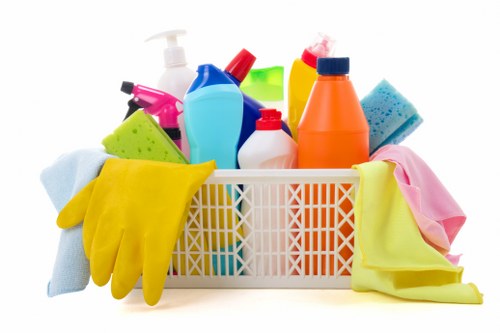
The type of solution you use can have a major impact on carpet cleaning results. Some cleaners are designed for general maintenance, while others focus on specific problems such as pet stains, heavy traffic, or odor removal. Choosing the right formula helps you clean more effectively without harming the carpet fibers.
When selecting a cleaning product, consider the material of your carpet and the problem you are trying to solve. Strong chemicals can sometimes discolor or weaken certain fibers. Natural or low-residue alternatives may be a better fit for homes with children or pets.
Always look for a carpet cleaning solution that matches your carpet type and cleaning method. A product designed for one machine or fiber may not work well with another. Reading labels carefully can save time and prevent costly mistakes.
Things to consider before buying a cleaner
- Compatibility with your carpet fiber
- Stain-specific performance
- Residue level after drying
- Scent strength and odor control
- Safety for pets and children
- Whether it works with your machine
Using the right cleaner is a key part of successful carpet cleaning and can help you maintain a healthier, fresher living space.
Why Vacuuming Is a Critical Part of Carpet Care
Vacuuming is often underestimated, but it is one of the most important steps in carpet cleaning maintenance. Even the best deep-cleaning method will not work well if loose dirt is left sitting on top of the carpet. Regular vacuuming prevents debris from settling deeper into the fibers and helps keep the carpet looking cleaner for longer.
High-traffic areas should be vacuumed more frequently than less-used rooms. Hallways, living rooms, and entryways tend to collect the most dirt. Using slow, overlapping passes allows the vacuum to pull up more particles than quick movements across the surface.
Vacuuming also helps maintain air quality by reducing the amount of dust that can be released back into the room. For households that prioritize cleanliness, a strong vacuuming routine is a simple but powerful part of carpet cleaning care.
Vacuuming tips that improve results
- Vacuum at least once a week
- Use attachments for edges and corners
- Empty the vacuum bag or bin regularly
- Replace filters when needed
- Make several slow passes over busy areas
Think of vacuuming as the foundation of effective carpet cleaning. Without it, deep cleaning becomes less efficient and less effective.
How Carpet Cleaning Helps Extend Carpet Life

Every carpet experiences wear, but routine carpet cleaning helps slow the aging process. Dirt particles grind against fibers, causing them to fray, flatten, and lose their color over time. By removing these particles regularly, you reduce abrasion and preserve the structure of the carpet.
Moisture and residue can also contribute to damage if carpets are not cleaned correctly. That is why proper carpet cleaning includes not only stain removal but also careful rinsing and drying. Leaving behind too much moisture can encourage mold growth or create a lingering smell.
Clean carpets often last longer because they are not fighting against constant buildup. In the long run, regular maintenance can save money by delaying the need for replacement. That makes carpet cleaning both a practical and cost-effective investment.
Ways maintenance improves carpet longevity
- Reduces fiber wear from dirt and grit
- Helps maintain color and texture
- Prevents odor-related deterioration
- Minimizes permanent stain setting
- Supports healthier indoor conditions
With proper care, your carpet can stay attractive and functional for many years.
Seasonal Carpet Cleaning Strategies
Carpet cleaning needs often change with the seasons. In wet or muddy months, dirt and moisture can be tracked indoors more frequently. During allergy season, pollen and dust may build up more quickly in carpet fibers. Planning your cleaning around seasonal conditions can make maintenance easier.
In spring, many homeowners focus on deep carpet cleaning after winter has left behind trapped dust and debris. Summer may bring increased foot traffic from children, guests, and outdoor activity. In autumn, leaves, dirt, and moisture may be carried in from outside. Winter often leads to salt, slush, and grime being brought indoors.
Seasonal awareness helps you stay ahead of problems instead of reacting to them later. By adjusting your carpet cleaning schedule throughout the year, you can keep your floors looking better and lasting longer.
Seasonal maintenance ideas
- Place mats at entrances during rainy months
- Vacuum more often during allergy season
- Treat salt stains quickly in winter
- Schedule deeper cleaning after high-traffic periods
Small seasonal adjustments can make a big difference in carpet cleanliness and appearance.
What to Expect from a Professional Carpet Cleaning Service
If you decide to hire professionals, it helps to know what typically happens during a carpet cleaning appointment. While service details may vary, most appointments begin with an inspection of the carpet’s condition. The technician may identify stains, problem areas, and fiber type before selecting the proper cleaning method.
Next, the carpet is usually vacuumed or pre-treated to loosen soil. Stain removal products may be applied to targeted areas. After that, the main cleaning process begins, often using hot water extraction or another deep-cleaning method. Once cleaning is complete, the carpet is left to dry.
A quality service should focus on both cleanliness and care. The goal is not only to make the carpet look better but also to protect its long-term condition. Good carpet cleaning professionals understand how to handle different fibers, stains, and moisture levels safely.
Typical steps in a service visit
- Inspection of carpet type and problem areas
- Pre-treatment of stains and heavily soiled spots
- Deep cleaning using the chosen method
- Extraction or removal of cleaning agents
- Drying recommendations and aftercare advice
If you want a cleaner, healthier, and more polished home, book your service now and take the next step toward better carpet care.
Final Thoughts on Carpet Cleaning
Carpet cleaning is about much more than surface appearance. It supports hygiene, improves indoor comfort, reduces odors, and extends the life of your flooring. Whether you handle maintenance yourself or choose a professional service, consistency is the key to keeping carpets in good shape.
By understanding the different cleaning methods, watching for signs of wear, and using smart maintenance habits, you can protect your home investment while enjoying a fresher living environment. Regular carpet cleaning is one of the simplest ways to keep a home feeling cared for and comfortable.
Contact us today to take action toward cleaner floors, or schedule your next carpet cleaning session before dirt and stains become harder to remove. A cleaner carpet is not just a finishing touch; it is part of a healthier, more welcoming home.