Rug Cleaning in Your Home: A Practical, Professional Approach to Fresh, Healthy Floors
Rug cleaning plays a bigger role in home care than many people realize. A clean rug can transform the look of a room, improve indoor air quality, and help extend the life of your flooring investment. Whether you have a decorative area rug, a durable hallway runner, or a delicate handmade piece, the right rug cleaning routine can make a noticeable difference. In busy homes, rugs collect dust, pet hair, food crumbs, pollen, and everyday spills faster than most surfaces. That is why rug cleaning should be treated as an essential part of regular maintenance rather than an occasional chore.
When people search for rug cleaning, they often want two things: a method that works and a result that lasts. The good news is that effective rug cleaning does not always require complicated tools or harsh chemicals. With the right approach, you can protect fibers, preserve color, and remove buildup before it turns into damage. This article explains how rug cleaning works, why it matters, and what homeowners should consider for different rug materials and situations.
From wool and cotton to synthetic and antique rugs, every rug type benefits from thoughtful care. The best rug cleaning strategy depends on fiber type, weave, dye stability, and how the rug is used. A living room rug, for example, needs different attention than a rug in a guest room. By learning the basics of rug cleaning, you can make smarter decisions that keep your home looking polished while reducing wear and tear.
Why Rug Cleaning Matters for Every Home
Rug cleaning is not just about appearance. Over time, rugs trap airborne particles that settle deep into the fibers. Dust, allergens, soil, and oils from shoes and feet can build up and create a dull, flat look. Regular rug cleaning helps remove these contaminants before they become embedded in the pile. This is especially important in homes with children, pets, or high foot traffic.
Another reason rug cleaning matters is fiber protection. Dirt acts like sandpaper. Every step across an unclean rug grinds particles deeper into the threads, causing premature wear. With routine rug cleaning, fibers stay softer and stronger for longer. That means your rug can retain its texture and color much better over time.
There is also a comfort factor. A freshly cleaned rug feels better underfoot, smells cleaner, and improves the overall atmosphere of a room. If you are trying to create a healthier indoor environment, rug cleaning is one of the simplest places to start. Cleaner rugs support cleaner homes, and that connection is easy to appreciate once you see the difference.
Understanding Different Rug Materials
Not all rugs respond the same way to rug cleaning. A synthetic rug may tolerate more moisture and stronger spot treatments, while a natural fiber rug may require a gentler touch. Knowing what your rug is made of can help prevent shrinkage, color bleeding, and texture damage. Before beginning any rug cleaning process, check the label if available and identify the fiber content.
Wool rugs are durable, resilient, and popular in many homes. They can handle regular maintenance, but they should be cleaned carefully to avoid excess moisture and harsh cleaning products. Cotton rugs are lighter and often easier to clean, though they may fade or wrinkle if handled too aggressively. Synthetic rugs, such as nylon, polyester, or polypropylene, are generally more forgiving and often easier for routine rug cleaning tasks.
Handmade or antique rugs deserve special attention. These pieces may contain natural dyes, delicate knots, or aged fibers that react unpredictably to water and detergents. For such rugs, professional rug cleaning is often the safest option. The goal is not just to remove dirt but to preserve craftsmanship and value. Choosing the right method for the right material is the heart of effective rug cleaning.
Common Rug Cleaning Methods That Work
There are several proven rug cleaning methods, and the best one depends on the rug’s construction and condition. Vacuuming is the foundation of routine maintenance. It removes loose dust, hair, and debris before they settle deeper into the pile. For many households, weekly vacuuming is the easiest and most effective rug cleaning habit to maintain.
Spot cleaning is another essential part of rug cleaning. Spills should be addressed quickly to reduce staining and odor absorption. Blotting with a clean cloth, rather than rubbing, helps lift liquid out of the fibers without spreading the mess. Mild cleaning solutions can then be used to treat the area, depending on the rug material. This approach works especially well for food spills, pet accidents, and muddy footprints.
Deep rug cleaning methods may include steam cleaning, dry cleaning, shampooing, or hand washing. Each one has its place. Steam cleaning can be effective for some synthetic rugs, but it is not suitable for every fiber type. Dry cleaning can be useful for delicate rugs that cannot handle much moisture. Hand washing is often used for smaller rugs or rugs that need a gentler, more controlled treatment. The right choice depends on the condition, age, and material of the rug.
What to consider before choosing a method
- Fiber type and dye stability
- Rug size and backing material
- Level of soil or staining
- Presence of pet odors or allergens
- Whether the rug is handmade, antique, or machine-made
How Often Should Rug Cleaning Be Done?
The ideal rug cleaning schedule depends on how much use the rug gets. High-traffic rugs in hallways, entryways, or family rooms may need vacuuming several times a week and deeper rug cleaning every few months. Rugs in less-used spaces may only need periodic maintenance. Homes with pets or allergies often benefit from more frequent rug cleaning to reduce dander, dust, and odors.
A practical schedule can help prevent buildup before it becomes difficult to remove. For example, a busy household might vacuum weekly, spot clean as needed, and schedule deep rug cleaning once or twice a year. If the rug is near a dining area or an exterior door, it may need even more frequent attention. By adjusting rug cleaning frequency to the environment, you can keep the rug looking cleaner for longer.
Seasonal timing can matter as well. Many homeowners prefer rug cleaning in spring to remove winter dust and in fall to prepare for more indoor activity. However, the best time is whenever the rug begins to show visible soil, persistent odor, or noticeable flattening. Regular maintenance is always easier than emergency restoration, and that principle applies perfectly to rug cleaning.
Signs your rug needs attention sooner
- Visible dirt or dullness
- Lingering smells
- Stains that keep reappearing
- Increased allergy symptoms indoors
- Flattened or sticky-feeling fibers
DIY Rug Cleaning Tips for Everyday Care
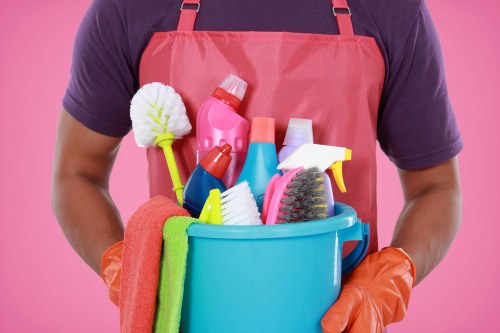
Many rug cleaning tasks can be handled at home with simple tools and good habits. Regular vacuuming is the first and most important step. Use a vacuum with adjustable suction if possible, especially for delicate or low-pile rugs. Going slowly and vacuuming both sides, when appropriate, can remove more debris and improve the results of routine rug cleaning.
For spot cleaning, start with a blotting cloth, mild soap, and cool water if the rug material allows it. Always test any solution in a hidden area first. This helps reduce the risk of discoloration or fiber damage. For greasy spots, a small amount of gentle dish soap may help. For organic stains, such as food or pet accidents, a mixture designed for rug cleaning or fabric care may be better suited to the job.
Drying is just as important as washing. A rug that stays damp too long may develop odors, mildew, or fiber distortion. After spot treatment or small-scale rug cleaning, make sure air can circulate around the area. If possible, lift the rug slightly or place it in a ventilated space. The goal is to remove moisture without leaving the fibers stressed or compressed.
Simple at-home rug cleaning habits
- Shake out smaller rugs outdoors when possible.
- Vacuum regularly in both directions.
- Blot spills immediately instead of scrubbing.
- Rotate rugs to distribute wear evenly.
- Use rug pads to reduce friction and trap less soil underneath.
When Professional Rug Cleaning Is the Better Choice
Some situations call for professional rug cleaning rather than DIY care. Large stains, deep odors, pet damage, and delicate fibers often require specialist equipment and experience. Professional rug cleaning can also be the safer option if your rug is valuable, handmade, or heavily soiled. In many cases, trained cleaners can restore freshness without harming the rug’s structure.
One major advantage of professional rug cleaning is access to specialized methods. Experts can assess fiber type, spot treat specific stains, and use the right combination of washing, rinsing, and drying techniques. This reduces the risk of over-wetting or using an incompatible product. For homeowners who want consistent results, professional rug cleaning can save time and reduce stress.
It is also worth considering professional service when odors keep returning or when the rug has been exposed to water damage. In those cases, surface cleaning may not be enough. A deeper rug cleaning approach can help eliminate trapped contaminants and restore a more sanitary condition. If the rug matters to you, expert care is often worth it.
Situations where experts are often recommended
- Antique or handmade rugs
- Silk, wool, or mixed delicate fibers
- Severe staining or odor issues
- Water exposure or mold concern
- Rugs with fading or dye instability
Benefits of Routine Rug Cleaning for Health and Appearance
Routine rug cleaning offers both visual and practical benefits. First, it restores color and brightness. Dirt can make even a high-quality rug appear tired and faded. After proper rug cleaning, patterns often become more visible and the room feels more polished. This improvement can change the overall look of a space without replacing the rug itself.
Health benefits are another major reason people prioritize rug cleaning. Rugs can hold allergens, dust mites, and other particles that affect breathing comfort. Regular cleaning helps reduce these irritants. For families with asthma or seasonal allergies, maintaining a cleaner rug can be a meaningful part of indoor air care. While rug cleaning is not a medical treatment, it supports a cleaner living environment.
There is also a practical value in extending the life of the rug. Fibers last longer when they are not constantly packed with abrasive soil. A consistent rug cleaning routine helps preserve the rug’s texture, backing, and appearance. That makes it a smart long-term investment. Better maintenance now can mean fewer replacements later.
Key benefits at a glance
- Improved appearance and color
- Reduced allergens and dust buildup
- Less odor retention
- Longer rug lifespan
- Better comfort and indoor freshness
Rug Cleaning Mistakes to Avoid
Even well-intentioned rug cleaning can go wrong if the wrong method is used. One common mistake is scrubbing stains aggressively. Scrubbing can push dirt deeper into the fibers and damage the pile. Blotting is usually the better approach because it lifts the stain instead of grinding it into the rug.
Another mistake is using too much water. Excess moisture can lead to long drying times, odor issues, and damage to the rug backing. This is especially important for natural fibers and handmade pieces. Good rug cleaning should be controlled and targeted, not oversaturated. Products should be used sparingly and removed thoroughly after treatment.
Using the wrong cleaner is also a major issue. Bleach, strong solvents, and high-alkaline products can strip color or weaken fibers. Before any rug cleaning task, check whether the cleaner is safe for the rug type. When in doubt, a gentler option is usually the safer choice. Patience and precision matter more than harshness in rug cleaning.
Common mistakes to avoid
- Rubbing stains instead of blotting
- Soaking the rug with too much water
- Using untested chemicals
- Ignoring drying time
- Skipping regular maintenance between deep cleans
How to Keep Rugs Cleaner for Longer
The best rug cleaning strategy includes prevention. Entry mats can trap dirt before it reaches interior rugs. Shoe-free household habits can also reduce soil transfer significantly. Simple changes like these make a real difference, especially in busy homes. When less dirt enters the room, rug cleaning becomes easier and less frequent.
Rug pads are another smart addition. They reduce friction, help the rug stay in place, and can improve airflow underneath. That can support better rug cleaning results and reduce wear over time. Rotating the rug every few months also helps distribute sunlight and foot traffic more evenly, preventing one side from fading or flattening faster than the other.
Finally, address spills as soon as they happen. Fresh spills are far easier to clean than old stains. If you stay consistent with small daily habits, deep rug cleaning will be less stressful and more effective. A little prevention goes a long way in preserving both beauty and function. Contact us today if you want a cleaner, fresher space that starts from the floor up.
Prevention tips that support cleaner rugs
- Use quality entry mats at doors.
- Vacuum regularly before buildup starts.
- Rotate rugs to balance wear and sun exposure.
- Clean spills immediately.
- Schedule deep rug cleaning before heavy soil develops.
Choosing the Right Rug Cleaning Approach for Your Space
The right rug cleaning plan depends on your lifestyle, the rug’s value, and the amount of use it gets. A family home with pets may need frequent vacuuming and periodic professional help. A decorative rug in a low-traffic room may need only careful maintenance and occasional deep cleaning. There is no single method that fits every rug, which is why understanding the basics is so useful.
Think about the rug’s role in the room. Is it primarily decorative, or does it receive daily foot traffic? Is it near food, pets, or outdoor entry points? These details help determine how often rug cleaning is needed and which method is safest. When the rug is central to the room’s design, keeping it fresh matters even more because it influences the feel of the entire space.
Whether you handle routine care yourself or hire a professional, the key is consistency. Rug cleaning works best when it is part of normal home maintenance. By combining regular upkeep, prompt spot treatment, and deeper cleaning when needed, you can protect your rug and keep your home feeling cleaner year-round. Book your service now if you want expert care that supports lasting results.
Final Thoughts on Rug Cleaning in Modern Homes
Rug cleaning is one of those home care tasks that delivers visible results quickly. A cleaner rug can brighten a room, reduce trapped dust, and make a space feel more comfortable. It also helps protect one of the most used and overlooked items in the home. With the right rug cleaning habits, you can improve both appearance and hygiene without unnecessary complication.
The most effective rug cleaning routine is balanced. It combines prevention, regular vacuuming, thoughtful spot treatment, and deep cleaning when appropriate. It also respects the rug’s material and construction. That balance is what keeps rugs looking good and lasting longer. In many cases, simple attention is enough to preserve quality and beauty for years.
If your rugs are overdue for care, now is the right time to act. Start with routine maintenance, evaluate the condition of each rug, and choose the cleaning method that fits best. Clean rugs create a cleaner home, and that benefit is worth the effort. Contact us today or book your service now to give your rugs the attention they deserve.