End of Tenancy Cleaning: A Practical, SEO-Friendly Approach for Renters and Landlords
What End of Tenancy Cleaning Means and Why It Matters

End of tenancy cleaning is the deep, detailed clean carried out when a tenant is moving out of a rented property. Unlike regular weekly tidying or routine cleaning, this process focuses on restoring the home to a condition that meets landlord and letting agent expectations. It usually covers every room, every surface, and often the hidden spots people forget during day-to-day cleaning.
For tenants, end of tenancy cleaning is important because it can help protect a deposit and reduce disputes at check-out. For landlords and property managers, it supports faster re-letting and a better presentation for prospective tenants. In busy rental markets, a property that has been professionally cleaned can make a strong first impression. That matters more than many people realise, because presentation often shapes how quickly a property is secured again.
Search interest around end of tenancy cleaning remains high because renters want practical answers: what is included, how much effort is needed, and whether professional help is worth it. This article looks at the process in a clear, reader-friendly way while using the main keyword and related phrases naturally throughout the text.
Why End of Tenancy Cleaning Is Different from Regular Cleaning
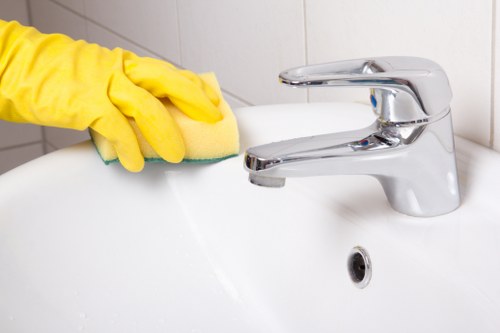
Many people assume that a tidy home is the same thing as a professionally cleaned rental property. It is not. End of tenancy cleaning goes far beyond vacuuming, wiping counters, and taking out the rubbish. It aims to remove built-up grime, limescale, grease, dust, and marks that accumulate over months or years of living in a property.
Standard domestic cleaning usually maintains a space. End of tenancy cleaning restores it. That difference is why check-out inspections can be strict. Landlords and agents may compare the current condition of the property against the inventory report from move-in day. If the flat or house is not cleaned to a suitable standard, deductions may follow.
Typical reasons tenants invest extra time in end of tenancy cleaning include deposit protection, stress reduction, and a smoother handover. Landlords benefit too, because a spotless property can reduce turnaround time between tenants. In short, end of tenancy cleaning is not just about hygiene; it is also about protecting value.
What Is Usually Included in End of Tenancy Cleaning?
The exact checklist can vary depending on the property, tenancy agreement, and whether professional cleaners are used. However, a standard end of tenancy cleaning service often includes the following tasks:
- Cleaning inside and outside kitchen cupboards
- Degreasing hobs, ovens, extractor fans, and splashbacks
- Scrubbing sinks, taps, and tiles
- Descaling bathrooms, showers, baths, and toilets
- Dusting skirting boards, light fittings, and accessible fixtures
- Vacuuming carpets and mopping hard floors
- Cleaning windows, frames, and sills
- Wiping doors, handles, switches, and banisters
- Removing cobwebs and dust from corners and ceilings
- Cleaning wardrobes, shelves, and drawers
Some properties need extras such as carpet cleaning, upholstery care, mould removal, or balcony and patio cleaning. If the home has pets, smokers, or heavy grease buildup, the cleaning scope may need to be wider. The goal is to make the property look fresh, hygienic, and ready for the next resident.
For SEO purposes, this section also reflects common search intent around end of tenancy cleaning service, move out cleaning, and rental property cleaning. Those terms are often used interchangeably by tenants looking for the same result.
Rooms That Need Special Attention During End of Tenancy Cleaning
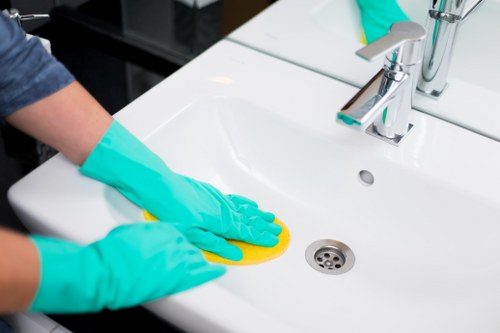
Every room deserves attention, but some areas matter more during an end of tenancy clean because they are inspected closely. Kitchens and bathrooms are usually the most demanding spaces due to visible stains, grease, moisture, and limescale. Bedrooms and living rooms may appear easier, yet dust on skirting boards, fingerprints on doors, and dirt around windows can still cause issues.
The Kitchen
The kitchen is often the hardest part of end of tenancy cleaning. Appliances collect hidden residue, and cupboards may contain crumbs, spills, or stains. A thorough kitchen clean should include the oven, hob, splashback, extractor, fridge, freezer, microwave, sink, taps, and all cupboard interiors. Oven cleaning is especially important because burnt-on grease can be difficult to remove without specialist products.
The Bathroom
Bathrooms need limescale removal, mould attention, and a careful clean of sanitary ware. Sinks, toilets, shower screens, and tiles should be free from soap scum and water marks. Drains and grout lines can also attract dirt, so they should not be overlooked. In many tenancy inspections, bathroom cleanliness has a direct impact on the final result.
Living Areas and Bedrooms
These rooms may look simple, but they often hide dust and wear. Wardrobes, skirting boards, radiators, behind furniture, and light fittings should be checked. Curtains, blinds, and windows can make a noticeable difference too. A clean, bright room can improve the property’s overall presentation immediately.
How to Prepare for End of Tenancy Cleaning

Preparation makes the cleaning process faster and more effective. Before starting, it helps to remove personal belongings, pack boxes, and clear cupboards. The less clutter left behind, the easier it is to access corners, shelves, and hidden surfaces. A well-prepared property also reduces the risk of missing important areas during the final clean.
Tenants should also check the tenancy agreement and inventory report. These documents often mention specific cleaning expectations, appliance condition, or professional requirements such as carpet cleaning. If the property was professionally cleaned at the start of the tenancy, matching that standard at the end is often a smart move.
Useful preparation steps include:
- Defrosting the freezer in advance
- Emptying cupboards, drawers, and wardrobes
- Collecting cleaning products, gloves, cloths, and sponges
- Removing rubbish and recycling
- Taking meter readings and photographs for records
Good preparation saves time and helps the end of tenancy cleaning process run smoothly. It also creates a more organised handover, which can lower stress on moving day.
Professional End of Tenancy Cleaning vs DIY Cleaning
One of the biggest decisions tenants face is whether to clean the property themselves or hire professionals. Both options can work, but they suit different situations. DIY end of tenancy cleaning can be cost-effective if the property is small, lightly used, and the tenant has enough time and equipment. Professional cleaning, on the other hand, is often ideal for larger homes, tight deadlines, or stubborn dirt.
Professional cleaners usually bring specialist tools, commercial-grade products, and experience with landlord expectations. This can be especially useful for deep cleaning rental properties, handling greasy ovens, or tackling scale and mould. Many tenants choose professionals because they want reassurance that the property will meet inspection standards.
Pros of DIY End of Tenancy Cleaning
- Lower cost
- Full control over products and schedule
- Useful for smaller or well-maintained homes
Pros of Professional Cleaning
- More efficient and thorough
- Better for tough stains and heavy build-up
- Can reduce stress before check-out
There is no single right answer. The best choice depends on budget, property size, and cleaning confidence. Still, for many people, professional end of tenancy cleaning offers the best balance of convenience and results.
Common Mistakes to Avoid
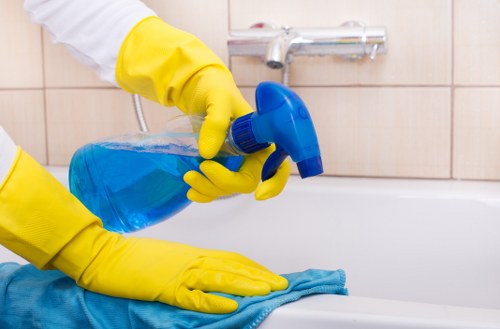
Even motivated tenants can make small mistakes that lead to larger problems at the final inspection. The most common issue is underestimating how long end of tenancy cleaning takes. What seems like a two-hour job can easily stretch into a full day if the property is heavily used or has not been cleaned deeply in a while.
Another common mistake is overlooking hidden spaces. Inside appliances, behind radiators, under sinks, around plug sockets, and on top of cupboards are all places where dust and residue collect. If these areas are missed, the property may not pass a thorough check-out inspection. Attention to detail is the key difference between a basic clean and a successful end of tenancy clean.
Other mistakes include using the wrong products on delicate surfaces, forgetting to remove personal items, and leaving the cleaning until the final hour before moving out. To avoid these issues, create a room-by-room checklist and work methodically. If possible, schedule the clean before the moving truck arrives so there is enough time to finish properly.
How End of Tenancy Cleaning Supports Deposit Return
Deposit disputes are one of the main reasons tenants search for end of tenancy cleaning. A property that is left in poor condition can result in deductions for extra cleaning, repairs, or specialist services. While wear and tear is usually expected, dirt and neglect are different. That is why a clean property often makes the deposit return process simpler.
To improve the chances of getting the full deposit back, tenants should aim to leave the home in the condition described in the original inventory, allowing for fair wear and tear. This usually means clean surfaces, fresh-smelling rooms, and appliances that are free from heavy residue. In many cases, a properly completed move out cleaning routine is enough to avoid avoidable deductions.
It can also help to take photos after the cleaning is complete. These images provide evidence of the property’s condition at the end of the tenancy. If any questions arise later, they can support the tenant’s position and reduce misunderstandings.
End of Tenancy Cleaning for Landlords and Letting Agents
Landlords and letting agents also benefit from prioritising end of tenancy cleaning. A property that is cleaned quickly and thoroughly can go back on the market faster, which helps reduce void periods and improve rental income. Clean homes also photograph better for listings, giving prospective tenants a more attractive first impression.
Many landlords choose to arrange end of tenancy cleaning between tenancies as part of wider property maintenance. This may include checking for damage, repainting high-traffic areas, servicing appliances, and replacing worn items. When the property is cleaned properly, these other tasks become easier to identify and manage.
Clean properties rent faster. That simple truth is one reason professional turnover cleaning is widely used in the rental sector. It supports presentation, professionalism, and efficient occupancy turnover.
Benefits for property owners
- Faster re-letting
- Better property presentation
- Fewer complaints at move-in
- Clearer view of maintenance issues
Choosing the Right End of Tenancy Cleaning Service
If you decide to hire help, choosing the right provider matters. Not all cleaning services are the same, and the cheapest option is not always the best. Look for a service that understands rental expectations, provides a detailed checklist, and can explain what is included before the job starts. Transparency is important because it helps avoid confusion later.
It is also wise to ask whether the service includes oven cleaning, bathroom descaling, interior cupboards, and carpet care if needed. Some companies offer add-ons, while others include these tasks in a standard package. A clear scope helps tenants compare services fairly and select one that matches the property’s needs.
When comparing providers, consider these points:
- Experience with end of tenancy cleaning
- Depth of the cleaning checklist
- Availability around your moving date
- Use of eco-friendly or specialist products
- Whether re-clean policies are offered if issues arise
Choosing carefully improves the chance of a smooth handover. If you want convenience and peace of mind, book your service now and reduce the pressure on moving day.
Eco-Friendly End of Tenancy Cleaning and Modern Expectations
Many tenants now look for greener options when arranging end of tenancy cleaning. Eco-friendly products can be effective while reducing harsh chemical exposure, unpleasant odours, and environmental impact. This is particularly appealing in homes with children, pets, or sensitivities to strong cleaning agents.
Modern cleaning expectations also emphasise efficiency and safety. Steam cleaning, microfiber cloths, and plant-based cleaners can support a high standard without relying exclusively on aggressive products. That said, certain stains, grease deposits, or mineral buildup may still require stronger solutions. The best services balance environmental awareness with practical results.
Eco-conscious cleaning is not just a trend. It reflects a broader shift in how rental properties are maintained. Tenants and landlords alike increasingly want methods that are effective, responsible, and suitable for modern living.
Final Thoughts on End of Tenancy Cleaning
End of tenancy cleaning is one of the most important tasks at the end of a rental agreement. It affects deposits, inspections, property presentation, and the overall moving experience. Whether you clean the home yourself or hire professionals, the aim is the same: leave the property in a clean, presentable, and fair condition.
For tenants, a structured approach can reduce stress and improve the chances of a full deposit return. For landlords, a thorough clean can help protect the property and speed up the next tenancy. The most successful outcomes usually come from planning, attention to detail, and using the right cleaning methods for each room.
If you are moving soon, now is the right time to prepare. Review your tenancy checklist, gather your supplies, and decide whether expert help would save time and effort. Contact us today if you want dependable results, or book your service now to make your move-out process easier and more efficient.