Why Regular Cleaning Matters for Homes, Workspaces, and Everyday Health
Regular cleaning is one of the simplest ways to protect your environment, improve comfort, and support better health every day. Whether you manage a busy household, a small office, or a larger commercial space, regular cleaning creates a cleaner atmosphere, reduces clutter, and helps prevent the buildup of dust, grime, and germs. It is not only about appearance; it is also about maintaining a space that feels fresh, functions efficiently, and supports well-being.
In modern life, many people are balancing work, family, and responsibilities that leave little time for detailed upkeep. That is exactly why a practical regular cleaning routine is so valuable. It keeps dirt from accumulating, makes deep cleaning easier, and helps surfaces, furniture, and appliances last longer. From kitchens and bathrooms to workplaces and shared areas, consistent care delivers visible and lasting results.
Search interest around regular cleaning continues to grow because people increasingly understand the connection between cleanliness and quality of life. A tidy environment can improve focus, reduce stress, and create a more welcoming space for guests, customers, or employees. In the sections below, you will learn why regular cleaning matters, what it includes, how to build a schedule, and how to make the process easier and more effective.
The Value of Regular Cleaning in Daily Life
Regular cleaning is more than a household chore. It is a practical habit that supports organization, hygiene, and peace of mind. When cleaning is done consistently, small messes do not have the chance to become major problems. Dust stays manageable, spills are addressed quickly, and high-touch surfaces remain more sanitary. That means less effort in the long run and a more pleasant living or working environment.
One of the biggest advantages of regular cleaning is prevention. For example, wiping down counters after use stops sticky buildup, vacuuming frequently prevents dust from settling deep into carpets, and cleaning bathrooms on a schedule reduces soap scum and mildew growth. These small actions protect surfaces and make future maintenance easier. In other words, regular cleaning saves time, money, and energy.
Another major benefit is improved mental clarity. Studies and everyday experience alike show that cluttered and dirty spaces can contribute to stress, distraction, and frustration. A room that has been cleaned regularly feels calmer and easier to use. Whether you are trying to concentrate at work or relax at home, a neat environment can make a big difference.
How Regular Cleaning Supports Health and Hygiene
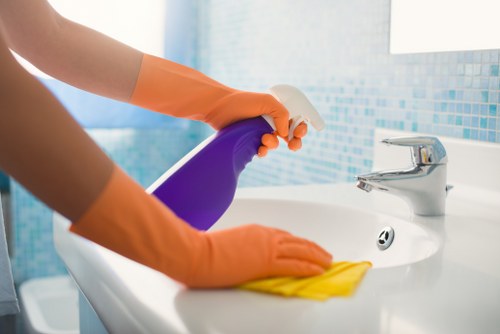
Health is one of the strongest reasons to prioritize regular cleaning. Dust, pollen, pet dander, and other allergens naturally collect over time. If not removed often, these particles can worsen allergies and make indoor air feel stale. Routine dusting, vacuuming, and mopping help reduce airborne irritants and create a cleaner breathing environment.
Bathrooms and kitchens deserve special attention because they are high-use areas where bacteria and moisture can build quickly. Regular cleaning in these spaces helps limit the spread of germs and maintains proper hygiene around food preparation and personal care. Disinfecting sinks, countertops, handles, and toilets on a consistent basis is especially important in homes with children, seniors, or anyone with a weaker immune system.
Good cleaning habits also support better moisture control. When spills, condensation, or damp surfaces are left too long, mold and mildew can develop. These issues can damage walls, grout, furniture, and fabrics, and they may affect air quality. Regular cleaning of wet or humid areas helps prevent these problems before they become costly or disruptive.
Key Areas That Benefit Most from Regular Cleaning
Some spaces require more frequent attention than others. High-traffic zones and high-touch surfaces are often the first places where dirt and germs accumulate. Knowing where to focus your efforts makes regular cleaning more efficient and effective.
Common areas that benefit from consistent care include:
- Kitchens: counters, sinks, stovetops, cabinet handles, and floors.
- Bathrooms: toilets, sinks, mirrors, showers, tubs, and door handles.
- Living rooms: tables, remotes, light switches, upholstery, and floors.
- Bedrooms: bedding, bedside tables, under-bed areas, and closet floors.
- Entryways: mats, shoes, doors, and high-contact surfaces.
- Offices: desks, keyboards, phones, shared equipment, and meeting areas.
Each of these areas can quickly look and feel neglected if not cleaned on a routine basis. A simple approach is to divide tasks into daily, weekly, and monthly chores. This makes regular cleaning feel manageable and prevents the workload from becoming overwhelming.
Building a Practical Regular Cleaning Routine
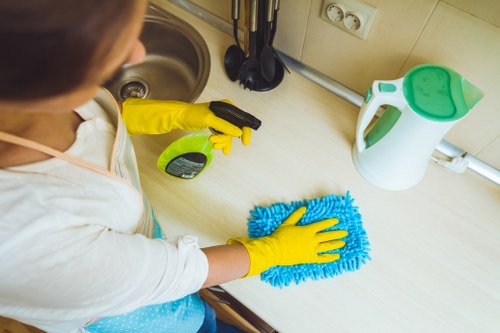
A strong regular cleaning routine does not need to be complicated. In fact, the best routines are usually simple, repeatable, and realistic. The goal is to create a system that fits your schedule and keeps your space consistently presentable without consuming all your free time.
Start by identifying the tasks that must happen every day. These may include wiping counters, washing dishes, sweeping kitchen floors, making beds, or tidying common areas. Then decide which tasks can be done weekly, such as vacuuming, mopping, scrubbing bathrooms, and changing bedding. Monthly tasks might include cleaning appliances, washing windows, or dusting hard-to-reach corners.
Regular cleaning becomes much easier when you use a checklist. Checklists reduce forgetfulness and help you track what has been completed. They also create a sense of progress, which can be motivating. For busy households, a shared checklist can help divide responsibilities fairly and avoid confusion about who is doing what.
Simple Weekly Cleaning Structure
A weekly structure can make maintenance feel more organized:
- Assign one or two tasks to each day.
- Focus on one room at a time when possible.
- Use short time blocks to avoid burnout.
- Keep cleaning supplies in convenient locations.
- Review the routine at the end of the week and adjust as needed.
Consistency matters more than perfection. A routine that is done regularly will always outperform an elaborate plan that is too difficult to maintain.
Regular Cleaning for Homes, Offices, and Shared Spaces
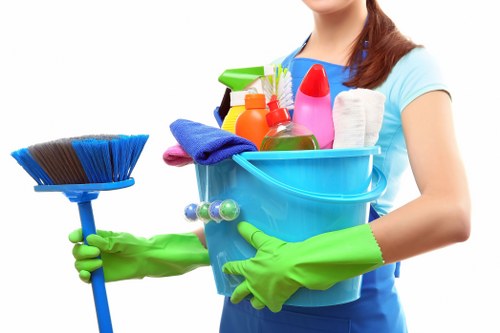
Regular cleaning looks slightly different depending on the environment, but the core goal remains the same: maintain cleanliness, comfort, and hygiene. In homes, the emphasis is often on livability and family health. In offices, the focus may shift toward productivity, professionalism, and employee well-being. In shared environments, such as waiting rooms, lobbies, or communal kitchens, the priority is often public presentation and sanitation.
At home, regular cleaning helps families stay organized and reduces the likelihood of pest problems, odors, and clutter. It also makes it easier to host guests without stress. A clean home sends a strong message of care and attention, while also supporting a calmer atmosphere for everyone inside.
In the workplace, regular cleaning can influence both morale and performance. Employees are generally more comfortable and focused in tidy spaces. Shared workstations, meeting tables, and restrooms should be maintained carefully because these are places where many people interact. A clean office also leaves a better impression on visitors, clients, and partners.
Benefits in Commercial and Shared Environments
- Improves appearance and professionalism
- Supports hygiene in high-traffic areas
- Reduces the spread of germs on shared surfaces
- Extends the life of flooring, furniture, and fixtures
- Creates a more welcoming experience for occupants and visitors
What Regular Cleaning Typically Includes
To understand the true value of regular cleaning, it helps to break down the types of tasks involved. A routine can include light cleaning, sanitizing, organizing, and preventive maintenance. These tasks may vary based on the setting, but they usually focus on keeping visible and hidden dirt under control.
Common tasks often include dusting surfaces, sweeping or vacuuming floors, wiping down counters, cleaning sinks, emptying trash, disinfecting handles, and removing clutter. In kitchens, this may also mean cleaning appliances and checking for expired food. In bathrooms, it may involve scrubbing fixtures and restocking essentials. In offices, regular cleaning may include sanitizing desks, clearing shared spaces, and maintaining neat storage areas.
It is also helpful to understand the difference between regular cleaning and deep cleaning. Regular cleaning is performed frequently to maintain order and hygiene, while deep cleaning is more detailed and less frequent. The two work together. When regular cleaning is done consistently, deep cleaning becomes faster and more effective because buildup is less severe.
Core Elements of a Strong Routine
A reliable cleaning routine often includes these core elements:
- Dust removal: prevents buildup on furniture, electronics, and shelves.
- Surface cleaning: keeps counters, tables, and handles sanitary.
- Floor care: removes dirt, debris, and allergens from high-traffic areas.
- Bathroom maintenance: controls odors, moisture, and germ buildup.
- Kitchen upkeep: supports food safety and prevents staining.
- Decluttering: improves function and visual appeal.
These tasks create a strong foundation for a cleaner, safer, and more efficient environment.
Time-Saving Tips for Easier Regular Cleaning
Many people avoid regular cleaning because they assume it will take too much time. The good news is that a few smart habits can make the process much easier. Small adjustments in how you clean, store supplies, and organize your time can significantly reduce effort.
One effective method is to clean as you go. For example, wipe kitchen counters after cooking, put items back in place immediately, and handle small spills before they dry. These tiny actions keep chores from piling up. Another helpful habit is to keep cleaning supplies where they are most needed. If a bathroom has its own disinfecting wipes or spray, it becomes easier to do quick touch-ups without delay.
Setting timers can also help. Many people find that cleaning for just 10 or 15 minutes at a time is enough to make noticeable progress. This method works especially well for busy households because it reduces resistance and makes regular cleaning feel less like a burden. Short, focused sessions often produce better results than occasional long sessions.
Practical Time-Saving Strategies
- Use baskets or bins to collect items that belong in other rooms.
- Keep microfiber cloths nearby for fast wipe-downs.
- Choose multipurpose cleaners when appropriate.
- Delegate tasks among family members or coworkers.
- Clean high-use areas first, then move to less-used spaces.
When regular cleaning is part of your normal routine, the entire process becomes smoother and less stressful.
Common Mistakes to Avoid with Regular Cleaning
Even with good intentions, some people make mistakes that limit the effectiveness of regular cleaning. One of the most common issues is waiting too long between cleanings. Once dirt becomes layered or sticky, it takes much more time and effort to remove. Another mistake is using the wrong cleaning product for a surface, which can cause damage or leave residue behind.
Skipping hidden areas is another frequent problem. While visible surfaces matter, dust and debris also build up behind furniture, under appliances, and along baseboards. If these spots are ignored for too long, they can affect air quality and create a less thorough result. It is also important not to overload yourself with unrealistic expectations. A routine that is too ambitious is hard to maintain, and inconsistency reduces results.
To avoid these issues, keep your routine balanced and realistic. Focus on the most important tasks first, use the right tools, and adjust your schedule when life gets busy. Regular cleaning works best when it is sustainable over time, not when it is done in bursts of exhaustion.
How Regular Cleaning Improves the Longevity of Your Space
Another major advantage of regular cleaning is that it helps preserve the condition of your home or workplace. Dust can wear down electronics. Moisture can damage grout and wood. Dirt can scratch floors and dull finishes. Food spills can stain counters and attract pests. Over time, neglect can lead to repairs, replacements, and avoidable costs.
Routine care helps protect investments in flooring, furniture, appliances, and fixtures. When surfaces are cleaned properly and often, they are less likely to degrade. This makes regular cleaning a form of maintenance, not just a chore. It keeps your environment functional and attractive for longer.
Clean spaces last longer. That simple idea applies to almost every type of property. Whether you are caring for a family home, rental unit, office, or storefront, regular cleaning supports durability and value. This is one reason property owners and managers often view cleaning as essential rather than optional.
Creating Motivation and Staying Consistent
Staying consistent with regular cleaning can be easier when you connect the task to a bigger purpose. Instead of thinking only about chores, think about what those chores create: better air, less stress, more time, safer surfaces, and a more comfortable space. Motivation often improves when the benefit feels real and immediate.
It helps to create visible wins. Cleaning one drawer, one shelf, or one bathroom can create a sense of accomplishment that encourages momentum. Music, podcasts, and shared cleaning sessions can also make the process feel more enjoyable. For many people, turning regular cleaning into a routine habit rather than a last-minute obligation is the key to lasting success.
If you are managing a larger space or simply want a more efficient approach, consider building a customized schedule around your lifestyle. The best routine is one that you can realistically repeat. Regular cleaning does not need to be perfect to be effective; it just needs to happen consistently.
When to Consider Extra Help
There are times when regular cleaning alone may not be enough. Busy schedules, large properties, move-in or move-out situations, and post-event messes can create more work than one person can comfortably handle. In those cases, professional support can help restore order quickly and maintain a higher standard of cleanliness.
If your space is becoming difficult to manage, do not wait until the problem grows. Contact us today to explore cleaning support options that fit your needs, or book your service now to make regular maintenance easier going forward.
Final Thoughts on Regular Cleaning
Regular cleaning is one of the most reliable ways to improve comfort, hygiene, and organization in any environment. It helps prevent messes from building up, supports better health, and keeps homes and workplaces looking their best. Most importantly, it creates a more manageable routine that saves time and reduces stress over the long term.
By focusing on the right areas, using a practical schedule, and staying consistent, you can turn regular cleaning into a simple habit with meaningful rewards. The benefits show up in cleaner air, better appearance, fewer maintenance problems, and a more welcoming atmosphere overall. Whether you are caring for a home, office, or shared space, regular cleaning is an investment that pays off every day.
If you are ready to improve your routine and enjoy a cleaner environment, take the next step now. Book your service now and make regular cleaning easier, more effective, and more sustainable for the future.