Carpet deep cleaning service near Stamford Bridge London: a practical guide for fresher, healthier carpets
If your carpets are looking tired, holding onto a stale smell, or just refusing to bounce back after everyday life, you are not alone. A Carpet deep cleaning service near Stamford Bridge London is often the difference between a room that feels merely tidy and one that actually feels properly cared for. In a busy part of London, with footfall from the street, pets, family life, guests, and the odd coffee spill, carpets can trap far more than the eye can see.
This guide walks you through what deep cleaning really means, how it works, when it makes sense, what to avoid, and how to judge a good result without guesswork. If you are weighing up whether to book a one-off clean, a deeper refresh, or a broader home reset, you will find the practical bits here. No waffle, hopefully.
Why Carpet deep cleaning service near Stamford Bridge London matters
Carpets are comfort underfoot, but they also act like a filter. Dust, skin cells, pet hair, pollen, tracked-in dirt, food crumbs, and moisture all work their way into the pile. Over time, that build-up can make a room feel dull, even if the surfaces above look fine. Around Stamford Bridge, where many homes and rental properties experience a steady stream of visitors, shoes, and city grime, that build-up can happen faster than people expect.
Deep cleaning matters because regular vacuuming only removes loose debris from the surface. It does not usually tackle the compacted dirt sitting lower in the fibres. Nor does it reliably deal with spills that have dried in, odours that have settled, or flattened traffic lanes near hallways and seating areas. Truth be told, a carpet can look okay and still be carrying a lot.
There is also the comfort factor. A freshly deep-cleaned carpet tends to feel softer, smell cleaner, and make a room more pleasant to use. That matters whether you are hosting guests, managing a rental, working from home, or simply trying to make your living room feel less like a corridor and more like a place you want to sit down in.
For many households, carpet cleaning is part of wider home care, alongside house cleaning, deep cleaning, or even a planned one-off cleaning visit. That wider view is useful, because carpets rarely get dirty in isolation; they are part of how the whole room lives and works.
Expert summary: Deep cleaning is not just about appearances. It is about removing embedded dirt, supporting a fresher indoor feel, and helping carpets last longer before they start looking worn out.
How Carpet deep cleaning service near Stamford Bridge London works
A proper carpet deep clean is more than spraying something on the floor and giving it a quick scrub. A good service usually starts with an inspection. The cleaner checks the carpet type, the level of soiling, visible stains, fibre condition, and any areas that need special care. This matters because wool, synthetic blends, and delicate woven carpets all behave differently.
After that comes preparation. Furniture may be moved where practical, loose debris is vacuumed away, and high-traffic spots are identified. If there are stains, the cleaner may pre-treat them before the main clean. Pre-treatment helps loosen grease, drink marks, and ground-in soil so they are easier to lift out later.
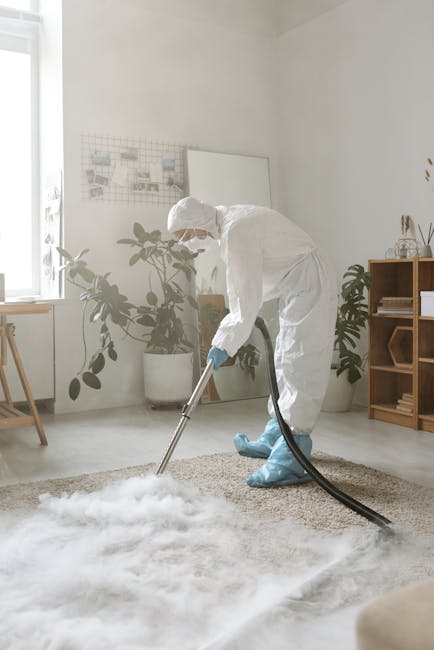
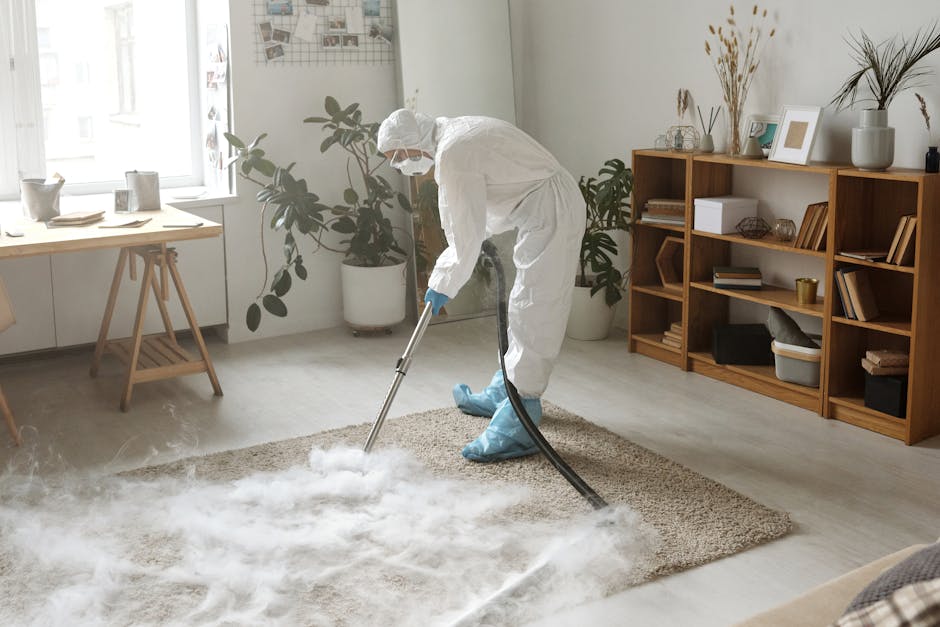
The main cleaning method is often hot water extraction, sometimes called steam cleaning, though it is not literally just steam. Warm water and cleaning solution are injected into the carpet pile and then extracted with powerful suction, taking dirt and moisture back out again. In some cases, especially for delicate carpets or quicker turnarounds, low-moisture methods or targeted spot treatment may be more suitable.
Drying is the part people often underestimate. A carpet should be left with sensible airflow and as little leftover moisture as possible. Open windows, fans, and avoiding heavy foot traffic all help. If a carpet stays damp for too long, you can end up with a musty smell, which defeats the whole point. Nobody wants that.
If carpet deep cleaning is part of a broader reset before guests arrive or after a move, it can sit neatly alongside services like move-in cleaning, move-out cleaning, or end of tenancy cleaning. In those situations, timing and drying are especially important.
Key benefits and practical advantages
People usually book deep cleaning for one obvious reason: the carpet looks dirty. Fair enough. But the real benefits go a bit further than that.
- Improved appearance: colours look brighter, pile looks more even, and traffic lanes are less obvious.
- Better odour control: the sort of lingering smell you only notice when you sit down can often be reduced significantly.
- More comfortable rooms: carpets feel cleaner underfoot, which makes the whole room feel more inviting.
- Longer carpet life: removing abrasive grit can reduce fibre wear over time.
- Better hygiene: deep cleaning helps remove embedded dirt that regular vacuuming leaves behind.
- Better presentation: useful for rentals, home sales, guests, or simply a seasonal refresh.
There is a practical money angle too. Replacing carpet is expensive and disruptive. Cleaning will not rescue every carpet, of course, but in many homes it can delay replacement and keep a room looking respectable for longer. That is especially helpful in London properties where rooms may be compact and every detail stands out.
It can also be a good match with other fabric cleaning. If you are already noticing build-up on sofas, chairs, or rugs, it may make sense to look at sofa cleaning, upholstery cleaning, or rug cleaning so the whole room gets a consistent finish.
Who this is for and when it makes sense
Not every carpet needs deep cleaning every month, and not every mark means you need a major intervention. The trick is knowing when the service is genuinely useful.
You may be a good candidate if you:
- have pets that shed hair or occasionally have accidents
- live in a high-traffic flat or family home
- have noticed persistent odours after spills or damp weather
- are preparing for guests, inspections, or photography
- are moving in or moving out and want a clean, presentable space
- want to improve the look of a room before a wider refresh
- manage a rental, office, or shared building where first impressions matter
It is also a sensible choice after renovation or decorating work. Dust can settle deeper than expected, and a carpet may need cleaning after surrounding tasks are done. In those cases, a service like after builders cleaning can sit well alongside carpet care.
On the commercial side, some businesses book deep cleaning as part of office cleaning or commercial cleaning plans. That is especially sensible in reception areas, meeting rooms, or communal spaces where carpet wear is visible and fairly constant.
And if you are reading this because you just want one room to feel decent again before the weekend, that counts too. Sometimes that is reason enough.
Step-by-step guidance
If you want to understand what should happen during a professional carpet deep clean, this simple sequence is a good benchmark.
- Inspect the carpet carefully. The cleaner should identify carpet type, stains, worn patches, and any risk areas.
- Vacuum thoroughly. Loose soil should be removed before water or solution is applied.
- Pre-treat stains and heavy traffic areas. This makes the main clean more effective.
- Choose the right method. Hot water extraction, low-moisture cleaning, or targeted treatment may be used depending on the carpet.
- Clean in sections. This helps the work stay even and prevents missed areas.
- Extract moisture properly. Good suction is essential. A carpet should not be left soggy.
- Check results and repeat spot treatment if needed. Some marks need a second pass, and that is normal.
- Speed up drying. Ventilation and sensible aftercare reduce the chance of lingering damp.
One useful detail people forget: different stains behave differently. A greasy patch from food will not respond the same way as a muddy footprint or a drink spill. A decent cleaner will not treat every stain like it is identical. They shouldn't, anyway.
If you are dealing with a broader home reset, carpet work can be scheduled with domestic cleaning or a broader regular cleaning routine so the room stays presentable after the deep clean rather than sliding right back.
Expert tips for better results
Small choices make a surprisingly big difference here. These are the habits and details that tend to separate a decent result from a frustrating one.
- Vacuum before the cleaner arrives. If you have time, a quick vacuum helps the deep clean focus on embedded soil, not surface fluff.
- Point out problem areas. Tell the cleaner where the spill happened, even if it was months ago. That context helps.
- Move light items in advance. Lamps, side tables, and clutter can slow the job down if left everywhere.
- Test expectations on old stains. Some marks have set permanently. It is better to know that upfront than pretend there is a miracle fix.
- Give carpets breathing room after cleaning. Heavy furniture can leave impressions if you rush to put everything back.
- Think in seasons. Many people find autumn and early spring sensible times for a deep clean because weather and indoor use both change then.
If the carpet is in a shared hallway or building entrance, the situation can be a bit different. In those settings, a service like communal area cleaning may be more appropriate than a one-off domestic approach, especially where the carpet gets lots of repeat use.
A small human tip: if the room smells a little dusty before the clean, open the windows for ten minutes first. It is a tiny thing, but it helps the space feel like it is being properly reset. Sounds obvious, but people skip it.
Common mistakes to avoid
Most carpet problems after cleaning are not dramatic disasters. They are usually the result of rushed decisions or the wrong expectations.
- Using too much water. More is not better if the carpet stays wet for ages.
- Rubbing stains aggressively. That can spread the mark and damage fibres.
- Ignoring fibre type. What works on synthetic carpet may be too harsh for wool.
- Not checking drying time. A carpet that is still damp after a long time may need more ventilation or a better extraction step.
- Expecting old damage to vanish. Wear, sun fading, and permanent staining can improve, but not always disappear.
- Skipping maintenance after the clean. If you walk dirt straight back in, the result will not last.
Another common mistake is booking the wrong service for the job. A deep clean is not always the answer if the issue is a small isolated mark. Likewise, a light tidy-up is not enough if the carpet is dull, smelly, and flat in several places. Matching the service to the problem is half the battle.
Tools, resources and recommendations
You do not need a warehouse of gear to look after your carpets well, but a few sensible tools make day-to-day maintenance easier.
- Vacuum cleaner with good suction: ideally one that can handle edges, skirting lines, and thicker pile.
- Stain blotting cloths: clean white cloths are usually best for lifting spills without spreading colour.
- Soft brush or carpet rake: useful for lifting pile after cleaning and improving appearance.
- Entrance mat: simple, but effective at reducing grit tracked inside from the street.
- Furniture pads: helpful if you want to reduce dents after cleaning.
From a service-planning point of view, it is often helpful to think in terms of the room as a whole. If your carpet sits in a property that also needs surfaces, glass, or fabric attention, then pairing it with window cleaning or oven cleaning during a wider reset can make the home feel properly finished rather than half done. That kind of sequencing matters more than people realise.
If you are comparing providers, do not only look at the words on the page. Ask how they handle drying, stain pre-treatment, delicate fibres, and post-clean care. That tells you a lot. A lot more than a shiny headline, to be fair.
Law, compliance, standards and best practice
For most homeowners and tenants, carpet cleaning is a practical household service rather than a tightly regulated activity. Still, good practice matters. Reputable cleaners should use sensible safety procedures, handle products responsibly, and take care around furnishings, sockets, and flooring transitions. If a company works in homes or commercial premises, it should also be able to explain its insurance, safety approach, and how it protects both staff and property.
In the UK, good service providers typically follow basic workplace health and safety expectations, use cleaning products as instructed, and avoid causing unnecessary slip risks during or after the clean. If you are booking for a flat, managed building, or business premises, it is reasonable to ask what steps are taken to prevent wet-floor issues and accidental damage. That is not being fussy. It is just sensible.
You can also look for clear policies around safety and service conduct, such as the company's health and safety policy and insurance and safety information. Those pages help set expectations before anyone turns up with equipment and a full water tank.
Payment handling matters too, especially if you are booking online. A transparent provider should explain pricing, quotes, and payment security in plain language. If that is not clear, ask before you book. Small thing, big comfort.
Options, methods and comparison table
Different carpet cleaning methods suit different situations. There is no single magic approach. The best choice depends on the carpet material, drying window, stain type, and the condition of the pile.
| Method | Best for | Strengths | Limitations |
|---|---|---|---|
| Hot water extraction | Most standard domestic carpets with embedded dirt | Deep soil removal, strong refresh, good for general cleaning | Longer drying time than low-moisture methods |
| Low-moisture cleaning | Carpets needing quicker turnaround | Faster drying, useful in busy homes or commercial spaces | May be less intensive on heavy soiling |
| Spot treatment | Isolated stains or marks | Targeted, efficient, useful as a support step | Not a full-room solution |
| Combined clean and maintenance plan | High-traffic homes or rentals | Supports a cleaner look for longer, easier upkeep | Requires routine follow-through |
Choosing the right method is partly technical and partly practical. If you need the room ready quickly, drying time may matter as much as stain removal. If the carpet is older or sensitive, aggressive cleaning may be the wrong move. Better to clean well than clean hard.
For some customers, carpet care works best as part of a broader property service. A landlord preparing for new occupants might combine it with move-out cleaning. A host might pair it with airbnb cleaning. A homeowner freshening the whole place may simply book a one-off cleaning visit and tackle the carpet as one important part of the job.
Case study or real-world example
A typical local scenario goes like this. A family in a flat near Stamford Bridge has a living room carpet that looks fine at first glance, but near the sofa there is a darker traffic lane and a faint smell that becomes obvious in the evening when the windows are shut. There is also a small spill mark from a drink that never quite went away. Nothing dramatic. Just one of those rooms that has slowly lost its freshness.
Before the clean, the room feels slightly heavy. After vacuuming, pre-treatment, and a proper extraction clean, the change is not just visual. The carpet pile stands up a bit better, the darker lanes soften, and the room smells cleaner when you walk in. Not perfume-like, not fake. Just cleaner. That is often the real win.
In another case, a small office close to the area needed carpet attention in a meeting room where chairs had left obvious wear lines. The cleaner focused on the high-traffic sections, used a suitable method with controlled moisture, and gave extra drying guidance. The room was usable again without that damp-carpet feeling that can make a workplace awkward for half a day. That kind of outcome is not flashy, but it matters.
The important thing is realism. A deep clean should improve, refresh, and restore where possible. It should not promise miracles for every stain or every old carpet. That honesty is a good sign, not a bad one.
Practical checklist
Use this quick checklist before you book or before the cleaner arrives.
- Identify the carpet type if you know it.
- Note any stains, spills, pet accidents, or odours.
- Clear small items, toys, and fragile bits from the room.
- Vacuum if you can, especially edges and busy areas.
- Ask about drying time and aftercare.
- Confirm whether furniture moving is included or limited.
- Check whether the provider has clear safety and insurance information.
- Decide whether you want the carpet cleaned alone or as part of a wider service.
- Plan for some ventilation after the work is done.
- Keep heavy foot traffic off the carpet until it is properly dry.
Quick takeaway: the best carpet deep clean is usually the one that matches the carpet, the stain, and the time you actually have. Sounds simple, but that is where good results come from.
If you are comparing providers, reviewing the company's pricing and quotes information can help you understand what is included before you commit. That makes the decision a lot easier, especially if you are balancing carpet care with other home tasks.
Conclusion
A Carpet deep cleaning service near Stamford Bridge London is worth considering when your carpet has moved beyond surface dust and into that awkward zone of dullness, embedded dirt, and lingering smells. It is not just a cosmetic fix. Done well, it supports a cleaner-feeling home, better presentation, and a carpet that has a better chance of lasting.
The big lesson is simple: match the method to the carpet, be realistic about old marks, and think about drying and aftercare as part of the job, not an afterthought. If you do that, the results tend to be far more satisfying. And yes, it really can make a room feel nicer almost immediately. You notice it when you walk in. You notice it again the next morning.
For readers who want a broader service picture, it can also make sense to explore related pages such as carpet cleaning, deep cleaning, or domestic cleaning to build a plan that fits the home rather than chasing one-off fixes. Small steps, done properly, usually win.
Get a free quote today and see how much you can save.
Sometimes the nicest part is simply walking into a room and thinking, yes, that feels better.
Frequently Asked Questions
How often should carpets be deep cleaned near Stamford Bridge?
It depends on use, but many homes benefit from a deep clean when traffic, pets, or spills start to show. High-traffic rooms may need it more often than spare rooms.
Is steam cleaning the same as carpet deep cleaning?
Not exactly. Steam cleaning is one deep-cleaning method, usually hot water extraction. Carpet deep cleaning is the broader term for the whole process, which may use different methods depending on the carpet.
Will deep cleaning remove old stains?
Sometimes it improves them a lot, sometimes only partly. The age of the stain, the fibre type, and previous cleaning attempts all affect the outcome. Older marks can be stubborn.
How long does a carpet take to dry after cleaning?
Drying time varies with the method used, ventilation, room temperature, and how much moisture the carpet held before cleaning. Good airflow helps. It should not stay soggy for long.
Can I walk on the carpet straight after cleaning?
Light foot traffic may be fine in some cases, but it is best to follow the cleaner's advice. Clean socks and careful walking are usually better than full use straight away.
Is carpet deep cleaning safe for wool carpets?
It can be, but wool needs careful handling and the right products. A good cleaner should recognise the fibre type before starting and choose the method accordingly.
Do I need to move the furniture myself?
That depends on the provider and the room layout. Small items are usually best moved in advance. Larger furniture may be handled differently, so it is worth asking first.
What is the difference between carpet cleaning and deep cleaning?
Carpet cleaning is a broad term. Deep cleaning usually means a more thorough process aimed at embedded dirt, stains, and odours rather than a light refresh.
Is carpet deep cleaning worth it before moving out?
Often yes, especially if the carpet is visibly marked or has taken on odours. It can improve the presentation of the property and help the space feel properly finished.
How do I know if a carpet is too worn to clean?
If fibres are badly damaged, heavily faded, or permanently stained, cleaning may only improve appearance to a point. A good cleaner should be honest about what can realistically be achieved.
Should I choose carpet cleaning alone or a wider cleaning service?
If the whole room needs attention, combining carpet work with a broader service often makes sense. If the carpet is the only issue, a focused clean may be enough. It depends on the state of the room and your timeline.
What should I ask before booking a carpet deep clean?
Ask about the method used, drying time, stain treatment, furniture handling, insurance, and what is included in the price. Clear answers are a good sign, and they save awkward surprises later.